


Stop Microwaving These 10 Foods ASAP

Microwaves are one of the most convenient kitchen appliances ever invented. They save time, reduce cleanup, and make reheating leftovers effortless. But not all foods are microwave-friendly.
In fact, some common items can become unsafe, unhealthy, or downright dangerous when microwaved.
Whether it’s a risk of exploding food, nutrient loss, toxic byproducts, or unexpected fires, these foods should never go into the microwave. If you’ve been reheating any of the items below, it’s time to stop—ASAP.

Table of contents
- 1. Whole Eggs (With or Without the Shell)
- 2. Processed Meats (Hot Dogs, Bacon, Deli Meats)
- 3. Leftover Rice
- 4. Chicken (Especially Leftovers)
- 5. Leafy Greens (Spinach, Kale, Swiss Chard)
- 6. Potatoes (Cooked and Stored)
- 7. Breast Milk and Baby Formula
- 8. Grapes
- 9. Takeout Containers and Plastic Packaging
- 10. Chili Peppers
- The Bottom Line
Disclosure: we may receive a small affiliate commission from purchases made via links in this article but at no cost to you.

1. Whole Eggs (With or Without the Shell)
Microwaving whole eggs is one of the fastest ways to create a kitchen disaster.
When eggs are heated in the microwave, steam builds up inside faster than it can escape. The result? An egg explosion—either inside the microwave or, even worse, after you remove it and crack it open.
Even shell-less eggs can explode if the yolk membrane isn’t broken first.
Better option:
Hard-boil eggs on the stovetop or scramble them in a pan for controlled, even cooking.

2. Processed Meats (Hot Dogs, Bacon, Deli Meats)
Heating processed meats in the microwave may be convenient, but it can come at a cost.
Microwaving can increase the formation of cholesterol oxidation products (COPs), which have been linked to heart disease and inflammation.
Bacon and hot dogs are particularly problematic due to preservatives and added nitrates.
Better option:
Cook processed meats on the stovetop, in the oven, or on a grill where excess fats can render off properly.

3. Leftover Rice
Leftover rice isn’t dangerous because of the microwave itself—but because of how rice is stored before reheating.
Rice can contain spores of Bacillus cereus, a bacteria that survives cooking. If cooked rice sits at room temperature too long, these bacteria can multiply and produce toxins that reheating won’t destroy.
Better option:
Cool rice quickly after cooking, refrigerate it promptly, and reheat thoroughly on the stovetop with a splash of water.

4. Chicken (Especially Leftovers)
Microwaves heat food unevenly, which is especially risky for chicken. Cold spots can remain where bacteria survive, while other parts overcook and dry out.
Additionally, reheating chicken in the microwave can alter protein structures, making it harder to digest and significantly less appetizing.
Better option:
Reheat chicken slowly in a skillet or oven at a low temperature to ensure even heating and better texture.

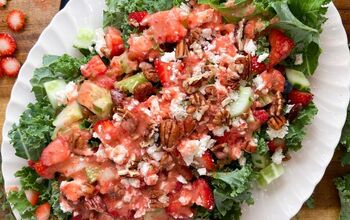
5. Leafy Greens (Spinach, Kale, Swiss Chard)
Leafy greens contain natural nitrates that can convert into potentially harmful compounds when reheated improperly—especially in the microwave.
This is particularly concerning with spinach and kale that have already been cooked once and then reheated again.
Better option:
Eat cooked greens fresh, or reheat gently on the stovetop with a bit of oil or water.

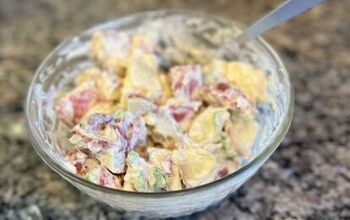
6. Potatoes (Cooked and Stored)
Cooked potatoes can become dangerous if they’re wrapped in foil and left at room temperature. This environment encourages the growth of Clostridium botulinum, the bacteria that causes botulism.
While microwaving isn’t the direct cause, reheating improperly stored potatoes can be risky.
Better option:
Store cooked potatoes unwrapped in the fridge and reheat in the oven or air fryer for even warmth and better texture.


7. Breast Milk and Baby Formula
Microwaving breast milk or formula is extremely dangerous for infants.
Microwaves heat unevenly, creating hot spots that can burn a baby’s mouth or throat. They can also destroy vital nutrients and antibodies in breast milk.
Better option:
Warm bottles by placing them in a bowl of warm (not hot) water and gently swirling to distribute heat evenly.

8. Grapes
Microwaving grapes may look like a fun science experiment, but it’s actually dangerous.
Grapes can produce sparks, flames, and plasma when microwaved due to their shape and water content. This can damage your microwave or even cause a fire.
Better option:
Eat grapes fresh—or freeze them for a refreshing snack.

9. Takeout Containers and Plastic Packaging
Not all plastics are microwave-safe, even if they seem sturdy. Heating plastic containers can cause chemicals like BPA and phthalates to leach into your food.
Black plastic takeout containers are especially concerning, as they may contain recycled materials not meant for reheating.
Better option:
Transfer food to glass or ceramic containers labeled microwave-safe.


10. Chili Peppers
Microwaving hot peppers can release capsaicin into the air. When you open the microwave door, the fumes can irritate your eyes, throat, and lungs—similar to pepper spray.
Better option:
Roast or sauté chili peppers on the stovetop with proper ventilation.

The Bottom Line
Microwaves are incredibly useful—but they’re not one-size-fits-all. Some foods explode, others lose nutrients, and a few can actually become dangerous when reheated the wrong way.
Stop microwaving these foods ASAP and switch to safer alternatives like stovetops, ovens, air fryers, or gentle reheating methods. Your kitchen will be cleaner, your food will taste better, and most importantly—you’ll stay safer.



























Comments
Share your thoughts, or ask a question!